
Everything You Need to Know About Rotary Screw Air Compressors
Everything You Need to Know About Rotary Screw Air Compressors
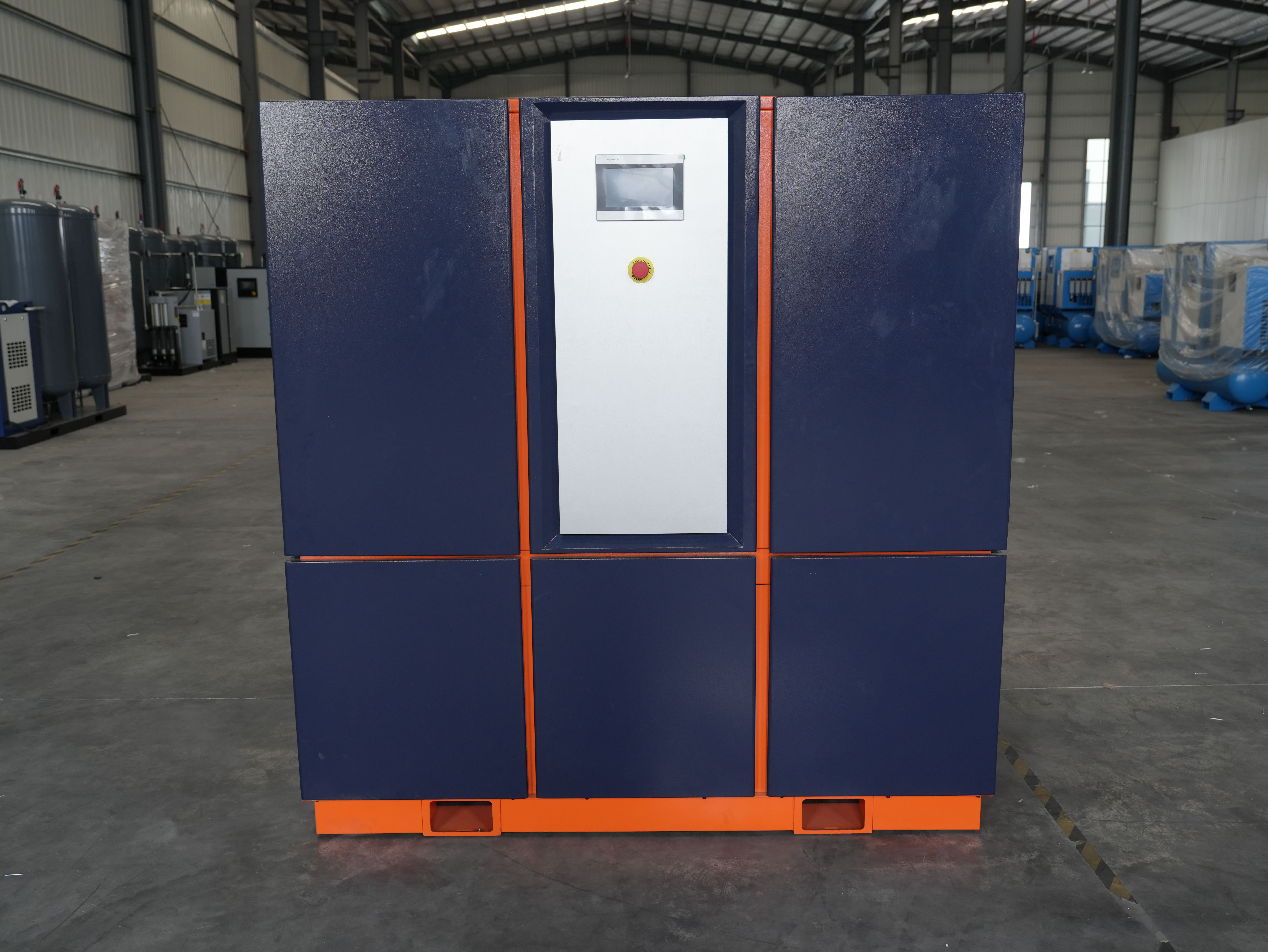
Rotary screw air compressors have become the backbone of industrial compressed air systems worldwide. According to industry data, the global rotary screw compressor market was estimated at USD 12.5 billion in 2024 and is expected to reach USD 13.3 billion by 2025. Understanding their operation, selection criteria, and application fit is essential for any manufacturing or processing facility.
What Is a Rotary Screw Air Compressor?
A rotary screw air compressor is a type of positive displacement compressor that uses two interlocking helical rotors to compress air. It is classified as a fixed, portable, split, or integrated screw air compressor depending on configuration and use case. This product is intended for multiple industries: metal processing and manufacturing, plastics and rubber processing, automotive and machinery parts, food and packaging, construction and materials, and energy and chemical industries.
Industry Context and Trends
The stationary rotary screw air compressor segment dominated the market in 2025, accounting for approximately 67.6% of the technology share. Asia Pacific held the largest regional market share at 43.7%, with China as the leading country. Oil-filled rotary screw compressors accounted for 61.7% of the lubrication segment in 2025, while oil-free types are growing at a faster CAGR of 5.4%. These trends reflect the evolving demand for reliability, energy efficiency, and application-specific solutions.
Key Challenges in Compressed Air Systems
Industrial facilities often require stable compressed air in continuous operation mode, especially in high-temperature or humid environments. Typical demands include energy saving, low noise, environmentally friendly operation, and high reliability. Without proper equipment selection and supporting components, production lines face downtime, contamination, and excessive energy costs.
How Rotary Screw Air Compressors Solve These Challenges
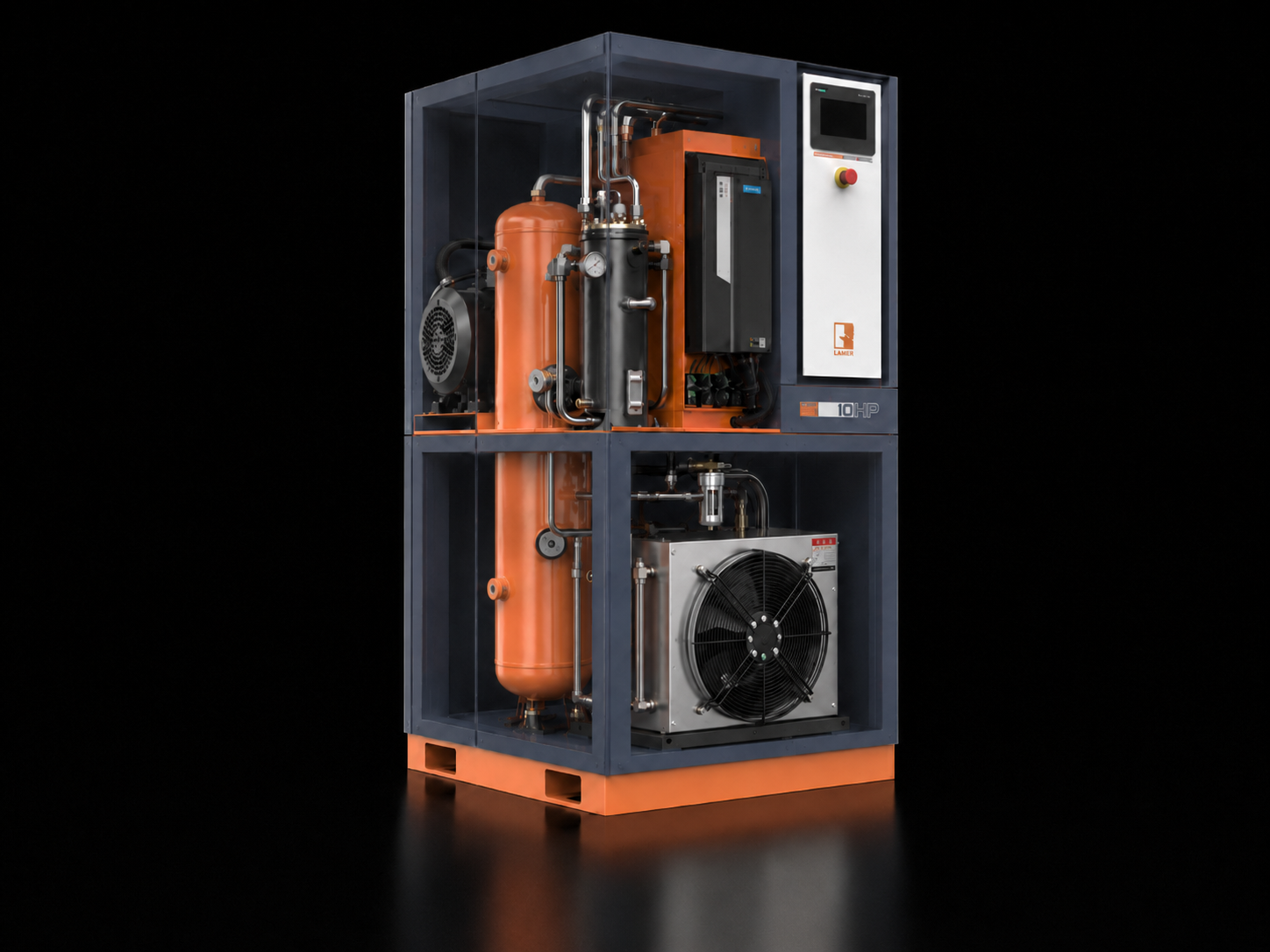
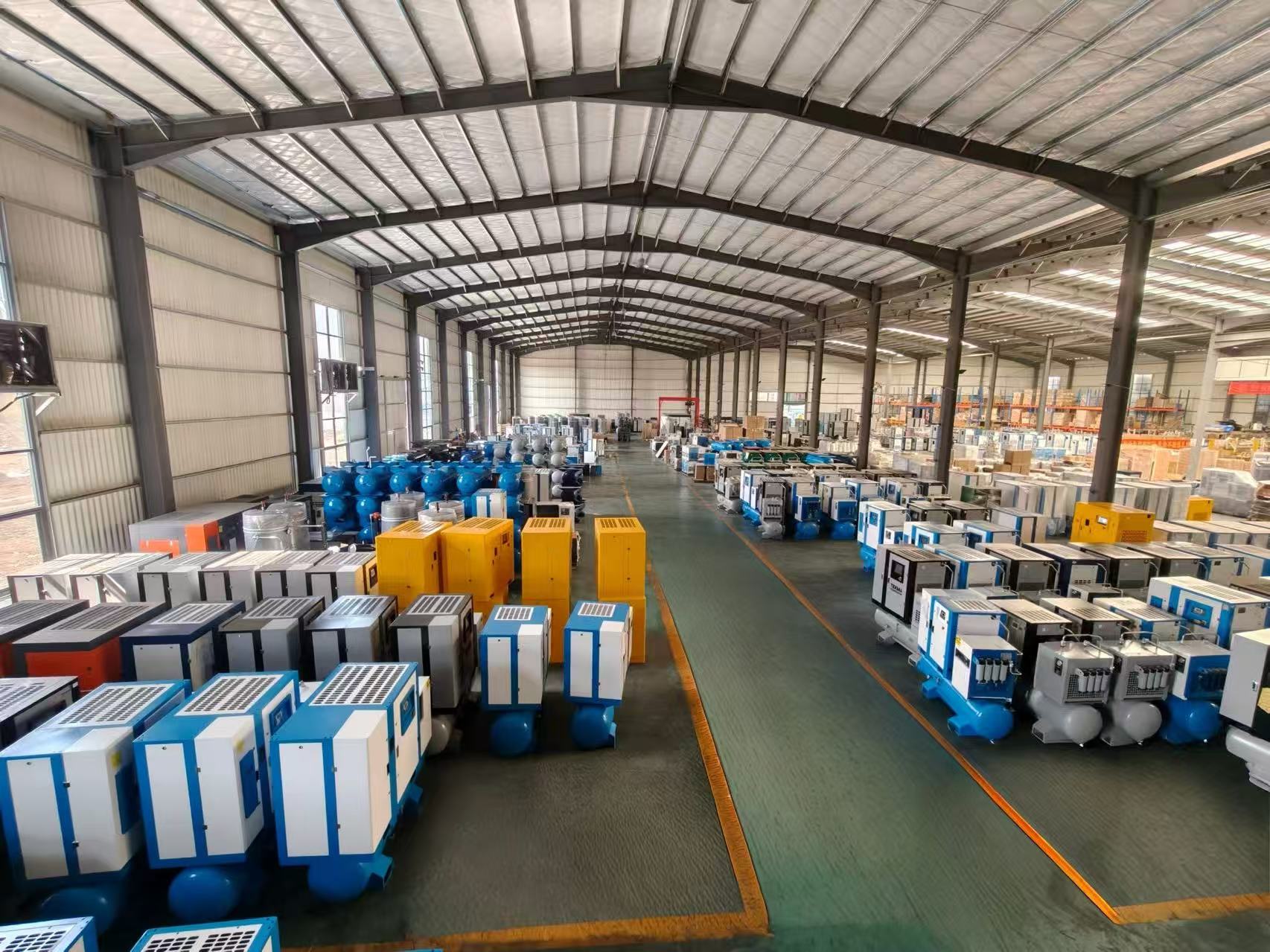
Shandong UMW Air Tech Co., Ltd.(UMW Air), established in 2019, specializes in designing and manufacturing energy-efficient screw air compressors. The company employs approximately 200 staff and operates a 2000 square meter manufacturing facility with an annual production capacity of 12,000 units. Its main products include air-cooled screw air compressors, direct-driven screw air compressors, stationary screw air compressors, diesel mobile screw air compressors, and heavy-duty screw air compressors. The Micro air compressor model series includes ML-4A, ML-5.5A, and ML-7.5A. Power options are 4 kW, 5.5 kW, and 7.5 kW, with a maximum airflow of 1.1 m³/min and a pressure range of 8-13 bar. The gas tank capacity is 140 L, and it uses a single-stage screw compressor air end.
Step-by-Step Selection Guide
- Determine Required Operating Pressure – CNC machines typically require 90–120 PSI (6–8 bar), while fiber laser cutting with compressed air as assist gas may need pressures up to 1.6 MPa (≈232 PSI).
- Calculate Air Volume (CFM/m³/min) – Sum the consumption of all tools and machines, adding a safety margin of 10–20%.
- Choose Cooling Method – Air cooling is common for most applications; water cooling may be used in larger or high-ambient-temperature setups.
- Consider Drive Type – Direct driven rotary screw air compressors offer higher efficiency and lower maintenance than belt-driven types.
- Evaluate Energy Efficiency – Look for permanent magnet VSD (variable speed drive) technology and IE4 motor ratings to reduce electricity costs.
- Plan for Supporting Equipment – The product must be used with an air dryer, air tank, line filter, inverter, and controller to ensure clean, stable, and regulated compressed air.
- Assess Environmental Conditions – If the facility is high-temperature or humid, ensure the compressor and filtration are specified accordingly.
Application Use Cases
CNC Machining: Compressed air is used for tool changers, chip evacuation, and pneumatic clamping. CNC machine requirements typically range from 90–120 PSI working pressure with flow rates of 5–30 CFM. A stable, oil-free or properly filtered supply is critical.
Laser Cutting: Fiber laser cutting using compressed air as an assist gas requires pressures up to 1.6 MPa and integrated filtration to prevent lens contamination. Oil-free rotary screw compressors are often specified for this application.
General Manufacturing: Factories use compressed air for pneumatic tools, conveyors, packaging machines, and automation. Energy saving and low noise are often required.
Food Processing: ISO 8573-1:2010 defines the compressed air purity classes for particles, water, and oil, which is critical for food and pharmaceutical applications. An oil-free or Class 0 certified compressor is recommended.
Comparison of Common Rotary Screw Compressor Configurations
| Type | Drive | Typical Power Range | Best For |
|---|---|---|---|
| Micro (Integrated) | Direct Driven | 4–7.5 kW | Small workshops, intermittent use |
| Prime (Split/Separate) | Direct Driven | 7.5–22 kW | Production lines, continuous duty |
| Core (Integrated) | Direct Driven | 22–355 kW | Heavy industrial, 24/7 operation |
| Mega (Stationary Heavy-Duty) | Direct Driven | 355 kW+ | Mining, large plants, high-pressure |
| Diesel Mobile | Engine-driven | Varied | Construction, field service |
Note: The above table reflects typical categories; exact specifications vary. Contact UMW Air for model-specific data.
Frequently Asked Questions
What is a rotary screw air compressor?
What pressure and flow do CNC machines require?
Can a rotary screw compressor be used for laser cutting?
Do I need an air dryer and filter?
What is the noise level of UMW rotary screw compressors?
How do I get a quote or sample unit?
Conclusion
Rotary screw air compressors are a reliable, efficient choice for a wide range of industrial applications. By understanding your specific pressure, flow, and environmental requirements, and by selecting the right configuration and supporting equipment, you can achieve stable production and lower operating costs. Shandong UMW Air Tech Co., Ltd. offers a comprehensive product line backed by a skilled R&D team and global export experience. Reach out to discuss your compressed air needs.
Contact UMW Air for a tailored quotation or to request a product brochure. Email: info@umw.top | Phone/WhatsApp: +8618888300248
Have Questions or Need More Details?
Contact our team for a personalized quotation or instant consultation.
Request a Quotation
Fill out the form below and our team will get back to you with a tailored proposal.
WhatsApp Direct Chat
Prefer to chat in real-time? Message us on WhatsApp for instant assistance & quick answers.
- Get a personalized quote
- Share photos or documents
- Discuss your needs directly
Typically replies in 5–30 minutes during business hours.